

Why do people gamble? Unpacking the allure of casino entertainment
The Thrill of Chance
One of the most compelling reasons people gamble lies in the thrill of chance. The uncertainty of not knowing whether one will win or lose creates an adrenaline rush that many find addictive. This suspense can evoke a sense of excitement that transcends typical daily experiences. Many players enjoy exploring opportunities at haztime.com , where the thrill stems from the prospect of hitting a jackpot or winning significant sums of money, which can feel euphoric. For many, the unpredictability of gambling offers a temporary escape from routine and a chance to engage with a world of possibility.
Besides the excitement of chance, the aspect of immediate gratification plays a significant role in the allure of gambling. Unlike other forms of entertainment that may require patience or a long investment of time, the outcomes in casino games can manifest in mere moments. This immediacy boosts the appeal as players can experience the highs and lows of winning or losing without prolonged waiting. It’s this quick turnover that can make gambling so enticing, as participants revel in the instant feedback of their choices.
Moreover, the ambiance of casinos is meticulously designed to heighten this sense of thrill. With bright lights, loud sounds, and vibrant colors, the environment is crafted to keep gamblers engaged and excited. The atmosphere itself enhances the experience, making players more likely to indulge. Every win is celebrated with cheers and applause, creating a communal sense of triumph that further encourages participation and fosters a unique sense of belonging among patrons.
The Social Aspect of Gambling
Gambling venues serve not only as places to place bets but also as social hubs where people gather to share experiences. Many individuals enjoy the camaraderie that arises in a casino setting, where they can interact with friends, meet new people, and engage in lively conversations. The collective energy found in gaming areas can enhance the overall experience, making gambling less about the money and more about the social connections formed during the activity. This aspect is particularly appealing for those who thrive in social environments.
Additionally, the competitive nature of gambling can draw people in. Players often find themselves motivated not just by the financial stakes, but by the desire to outperform their peers. This competitive spirit can create an exhilarating dynamic that encourages players to return time and again, striving to improve their skills and boost their status among fellow gamblers. Whether it’s poker nights or slot tournaments, the competitive elements add another layer of excitement to the overall gambling experience.
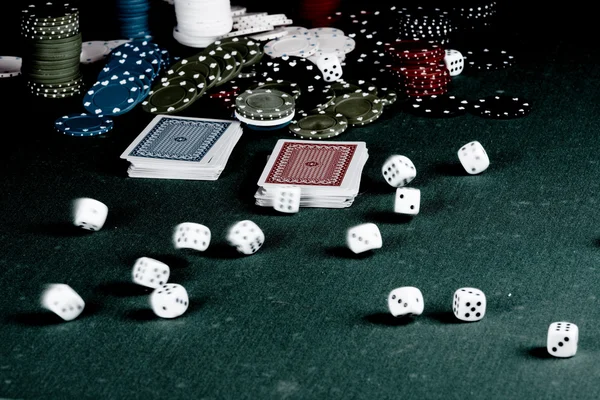
Furthermore, the shared experiences in gambling foster stronger relationships. Friends and family often bond over shared wins or losses, creating lasting memories that are cherished long after a game has ended. Whether it’s a celebratory night out or a friendly competition, these interactions can deepen connections and provide a sense of community. In essence, gambling often transcends mere entertainment, becoming a vital part of social lives for many individuals.
The Escape from Reality
For numerous individuals, gambling serves as a form of escapism from the pressures of everyday life. The immersive nature of games allows players to temporarily forget their problems, providing a distraction from stress and responsibilities. The vibrant, stimulating environment of a casino can offer an alluring diversion that transports people away from their daily routines, making it a tempting refuge for those seeking a momentary escape.
This desire to escape can be particularly strong during tough times, as individuals may turn to gambling as a way to cope with life’s challenges. It is not uncommon for people to seek solace in these activities when feeling overwhelmed or anxious. By engaging in gaming, they may find relief, albeit temporary, that enables them to forget their troubles and immerse themselves in a different world, albeit for a short while.
Nonetheless, while this escape can be refreshing, it’s crucial to approach gambling with caution. The thrill of escaping reality can lead to excessive gaming, where individuals may lose track of time and money in pursuit of that euphoric distraction. Therefore, while gambling can provide a much-needed break from reality, it is essential to maintain a balanced perspective and ensure it does not disrupt one’s life or financial stability.
The Psychological Factors at Play
The psychology behind gambling is complex and multifaceted. Many studies suggest that the anticipation of a potential win triggers dopamine release in the brain, creating feelings of pleasure and reinforcement. This neurological response plays a significant role in why people keep returning to gamble, essentially conditioning them to seek out that “high.” The cycle of risk and reward keeps players engaged, often leading them to overlook potential negative outcomes associated with gambling.

Moreover, cognitive biases can compound the allure of gambling. The illusion of control, for instance, convinces players that their decisions directly influence outcomes, even in predominantly chance-based games. This belief can deepen their engagement, as they feel empowered to beat the odds or manipulate scenarios in their favor. Such cognitive distortions make it easy for individuals to rationalize continued play, even when statistics suggest otherwise.
Additionally, social identity plays a role in gambling behavior. People often align themselves with specific groups or communities centered around gambling, which can enhance their commitment to the activity. This identification can be powerful, as individuals may feel a sense of belonging within these communities, further anchoring their participation in gambling activities. The intertwining of psychology and social dynamics creates a potent mix that propels many to seek the thrills of gambling time and again.
Your Guide to Responsible Gambling
As we unpack the allure of casino entertainment, it is essential to prioritize responsible gambling practices. Individuals interested in engaging in gambling should design a personal plan that includes budget limits, time management, and self-awareness. Educating oneself about the games and understanding that wins and losses are part of the process can mitigate unrealistic expectations and promote a healthier relationship with gambling. Online resources and support groups can offer valuable tools and knowledge to ensure the experience remains enjoyable and safe.
Furthermore, fostering an understanding of the psychological aspects of gambling can empower individuals to navigate their experiences more wisely. Awareness of cognitive biases and the emotional triggers associated with gambling can help players recognize when they may be straying into unhealthy territory. Establishing a strong network of friends or family for discussions surrounding gambling can also provide valuable support, making the activity feel less isolated.
In conclusion, while the allure of gambling is undeniable, understanding its complexities empowers individuals to engage more responsibly. Enjoying casino entertainment can be a rewarding experience, so long as it is approached with mindfulness and respect for one’s limits. By fostering a balanced perspective and remaining aware of potential pitfalls, players can fully appreciate the excitement that gambling brings while safeguarding their well-being.
